Side Brick Wall Repointing – From Cut-Out Joints to Finished Flush Pointing

Side Brick Wall Repointing – From Cut-Out Joints to Finished Flush Pointing

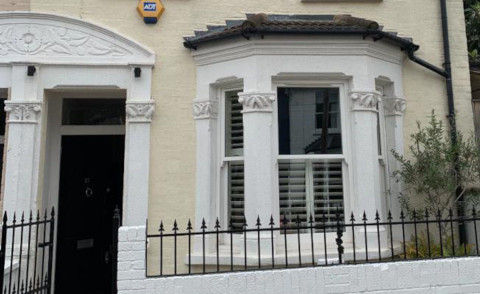
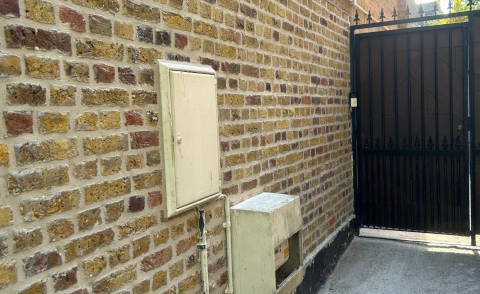
This project shows a side brick wall during two important stages of the repointing process: first, after the old and failing pointing had been carefully cut out, and then after the wall was fully finished with fresh flush pointing.

Project Overview

Removing the old mortar is a key part of proper brick restoration. Loose, cracked, or weather-damaged pointing can allow moisture to penetrate the wall, which may lead to further deterioration of the brickwork over time. By cutting out the old pointing to the correct depth, the wall is properly prepared for new mortar to bond securely and perform as it should.

Preparing the Brickwork

Removing the old mortar is a key part of proper brick restoration. Loose, cracked, or weather-damaged pointing can allow moisture to penetrate the wall, which may lead to further deterioration of the brickwork over time. By cutting out the old pointing to the correct depth, the wall is properly prepared for new mortar to bond securely and perform as it should.

Flush Repointing Finish

Once the joints were prepared, the brickwork was repointed using a neat flush finish. This gives the wall a clean, consistent appearance while helping to protect the structure from weather exposure. Flush repointing is often a good choice where a simple, traditional, and tidy finish is required.

Protecting the Wall for the Future

This type of brick restoration not only improves the overall look of the property but also helps extend the life of the brickwork. Whether it is a small side wall, front elevation, or larger external area, professional repointing can make a significant difference to both the appearance and condition of the building.

Contact Us for a Free Quote

If your brickwork is cracked, weathered, or in need of repointing, our team can help restore it properly and professionally. Contact us today for friendly advice and a free quote for your brick cleaning, repointing, or brick restoration project.
Transforming Gault Brickwork in Lewisham

Brick Cleaning in Lewisham: Restoring Gault Brick with Torbo SoftLine

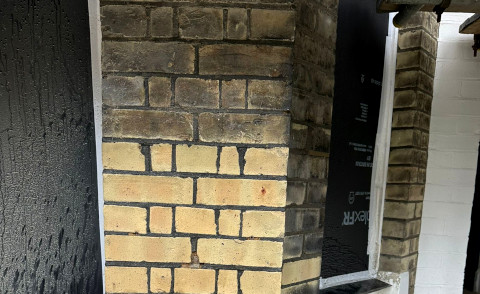
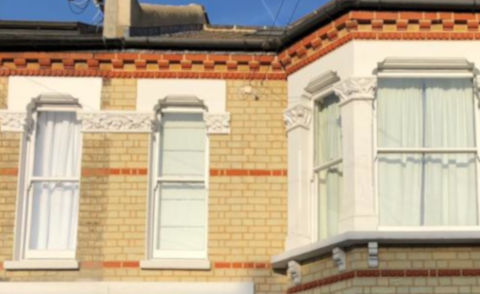
At Brick Restoration, we take pride in bringing brickwork back to life while preserving the character and history of each property. Our latest project in Lewisham was a perfect example — a stunning gault brick building that needed careful, specialist cleaning to reveal its original beauty.

Why Gault Brick Needs Specialist Care

Gault bricks are known for their pale, almost creamy colour and were widely used in 18th and 19th century architecture across London. Over time, pollution, moss, and dirt can cause serious discolouration, hiding the true elegance of the brickwork. Unlike red or harder bricks, gault bricks are softer and require a gentle cleaning approach to avoid damage.

Our Method: Torbo SoftLine

For this project, we used the Torbo SoftLine system, a leading technology in sensitive brick cleaning. Unlike traditional blasting methods, Torbo SoftLine combines water, air, and fine abrasive in a controlled way, ensuring a gentle yet highly effective clean.

The result is a thorough clean that restores the brickwork without compromising its surface or structure.

The Process in Action

From the first pass, the difference was remarkable. Years of grime lifted away, exposing the warm, natural tones of the original gault brickwork. The property’s façade went from tired and weathered to bright, fresh, and historically accurate.

The Results

The transformation speaks for itself. The building now shines with the same crisp character it had when first built, enhancing not only the property itself but also the surrounding streetscape in Lewisham.

Why Choose Brick Restoration?

  • Specialists in sensitive cleaning methods
  • Experienced with historic and modern brickwork
  • Committed to protecting London’s architectural heritage

If your property needs brick cleaning in Lewisham or anywhere in London, our team at Brick Restoration can help. We’ll restore your brickwork safely, effectively, and with results you’ll love.

Contact us today for a free consultation.

Brick Cleaning in London Restorations

Brick Cleaning in London Restorations

London’s historic architecture is characterised by its distinct brick facades—most notably the yellow London stock brick seen across Georgian, Victorian, and Edwardian terraces. Over time, pollution, biological growth, traffic grime, and previous repairs obscure the appearance of these beautiful materials. Brick cleaning is a critical step in restoring both the aesthetic and structural integrity of buildings, especially in conservation or listed settings.

Done properly, brick cleaning not only enhances visual appeal but also plays a key role in long-term maintenance and compliance with heritage standards.

The Role of Brick Cleaning in Building Restoration

Brick cleaning is more than surface deep—it serves functional, aesthetic, and regulatory purposes in maintaining period properties:
London bricks, especially traditional yellow stock, were never meant to be hidden beneath decades of grime. Gentle cleaning brings out the subtle variations in tone, texture, and jointing that define the building’s architectural period. This revitalises the facade and respects the original design intent.

Accumulated pollutants and biological growth (like algae and moss) hold moisture against the wall. Over time, this can lead to:

  • Deterioration of lime mortar
  • Damp ingress into internal walls
  • Frost-related cracking and erosion

By removing these contaminants, cleaning allows masonry to dry and breathe properly, supporting long-term performance.

A soiled facade can mask deeper concerns. Cleaning provides an opportunity to identify:

  • Failing mortar joints
  • Cracks or delamination in brick faces
  • Cement-based repairs incompatible with historic fabric

This diagnostic benefit makes brick cleaning a logical precursor to repointing, brick replacement, or facade restoration.

In conservation areas or on listed buildings, a dirty facade may be seen as neglect or even as damaging to the area’s character. Cleaning is often encouraged or required as part of broader conservation efforts, and any proposed restoration work is best supported with a clean, assessable facade.

When to Consider Brick Cleaning

Brick cleaning may be necessary when:

  • Pollution and grime have significantly darkened the facade
  • Organic growth such as algae, moss, or lichen is present
  • You’re preparing for repointing or repair work
  • The building is undergoing a conservation-led renovation
  • You’re seeking to improve kerb appeal or rental/resale value

Why Professional Brick Cleaning Matters

Understanding Brick Composition and Soiling

Not all bricks are the same. London stock brick, for example, is highly porous and soft—making it susceptible to damage from harsh methods. Likewise, not all grime is equal: some buildings suffer from carbon-heavy industrial pollutants, while others deal with lime scale, moss, or oil-based staining. Professionals tailor the cleaning approach to the building’s specific needs.

Using Conservation-Grade Techniques

Qualified restoration specialists apply gentle, controlled methods such as:

  • DOFF superheated steam cleaning – Effective for removing biological growth and light carbon without damaging surfaces.
  • Nebulous water spray – A slow and delicate technique ideal for sensitive brickwork.
  • Poultices or gel-based chemical treatments – Used selectively to address stubborn stains or prior coatings.

Abrasive or high-pressure methods are avoided to preserve surface detail and integrity.

Providing Restoration and Protective Follow-Up

Brick cleaning is often the beginning of a wider restoration process. Following cleaning, skilled teams may undertake:

  • Repointing with lime mortar
  • Replacing spalled or damaged bricks
  • Applying breathable protective finishes (when appropriate)

This ensures not just a clean facade, but a durable and breathable building envelope.

Adhering to Environmental and Safety Standards

In dense urban settings like London, proper containment and compliance are essential. Professional teams ensure:

  • Safe use and disposal of any cleaning chemicals
  • Dust control and protective measures for adjacent properties
  • Compliance with local authority and heritage body requirements

Summary

Brick cleaning plays a vital role in protecting and restoring London’s historic buildings. It improves both the appearance and condition of period brickwork, supports necessary repair work, and aligns with conservation standards.

Whether you’re preparing for a full restoration or simply aiming to reveal the craftsmanship beneath decades of dirt, working with an experienced contractor ensures safe, effective results that respect your building’s legacy.

Contact Brick Restoration Today

We specialise in brick cleaning, traditional masonry restoration, and heritage facade repair across Greater London. Whether your property needs delicate cleaning or full external refurbishment, we provide tailored, conservation-led solutions.

Reach out today for a site assessment or quote.

Why Brick Paint Removal Matters for London Homes

Why Brick Paint Removal Matters for London Homes

Painted brickwork is a common feature across many London buildings—often done to modernise appearances or conceal weathering. However, painting over brick can trap moisture, accelerate deterioration, and obscure original architectural character. Over time, many property owners opt for brick paint removal as part of a broader restoration process, especially in heritage or conservation areas where original materials and finishes are valued.

Proper paint removal requires care, expertise, and the right techniques to avoid damage to the underlying bricks and mortar.

Why Brick Paint Removal Is Important

The main reasons for removing paint from brickwork include:
Paint can obscure the natural texture, colour, and craftsmanship of London stock bricks or other heritage materials. Restoring unpainted brick returns the building to its authentic visual state, enhancing period character and curb appeal.
Painted facades—especially those with modern or non-breathable coatings—trap moisture inside the brickwork. This leads to:
  • Spalling (flaking or crumbling surfaces)
  • Efflorescence (white salt deposits)
  • Internal dampness

Paint hides underlying problems such as:

  • Failing mortar joints
  • Cracked or damaged bricks
  • Inappropriate previous repairs

Removing the paint allows a proper assessment of the façade, ensuring maintenance and conservation efforts are effective.

In many conservation areas, painted brick may be considered non-original, and local authorities often encourage or mandate the removal of paint to restore historical integrity. Listed buildings may require listed building consent prior to removal.

When Paint Removal Is Necessary

You should consider paint removal if:
  • Paint is flaking, blistering, or peeling
  • Bricks underneath show signs of spalling or damp
  • You’re planning external repairs such as repointing or restoration
  • You wish to restore the building’s original appearance
  • You are preparing for a planning or conservation application

Why You Should Use a Professional Brick Restoration Contractor

Assess the Paint Type and Substrate

Identifying whether the paint is oil-based, latex, or mineral—and testing the underlying brick—ensures the correct removal method is selected. Some older paints may also contain lead, requiring special handling.

Use Appropriate Removal Techniques

Depending on the surface and paint type, professionals use methods such as:

  • Chemical peel or poultice systems (gentle and effective for heritage work)
  • Superheated steam or DOFF systems (non-abrasive, for delicate surfaces)
  • Low-pressure micro-abrasive blasting (in very controlled conditions)

Avoiding sandblasting or harsh pressure washing is critical, as these can permanently scar brick surfaces.

Provide Post-Cleaning Restoration

After paint removal, additional steps may include:

  • Brick repairs or replacements
  • Lime mortar repointing
  • Surface protection using breathable silicate-based treatments

This holistic approach ensures long-term durability and breathability of the facade.

Comply with Health, Safety, and Environmental Regulations

Professional contractors work to HSE standards, including:

  • Managing lead paint hazards
  • Containing chemical runoff
  • Using dust extraction and safe access systems

This is particularly important in urban settings like London, where neighbouring properties and pedestrians must be protected.

Summary

Paint removal from brick façades is not purely cosmetic—it plays a vital role in the health, authenticity, and value of period buildings. With the right approach, it reveals the beauty of original brickwork while preventing structural issues caused by trapped moisture. In London, where many buildings fall under heritage or conservation protection, working with experienced professionals is essential. Proper methods safeguard both the building and the surrounding environment—delivering high-quality, lasting results.

Contact Brick Restoration Today

We specialise in paint removal, façade restoration, and traditional brickwork repairs across Greater London. Whether you’re dealing with peeling paint or planning a full heritage restoration, our team offers detailed site assessments and safe, effective solutions tailored to your property.

Get in touch today to request a consultation or quote.